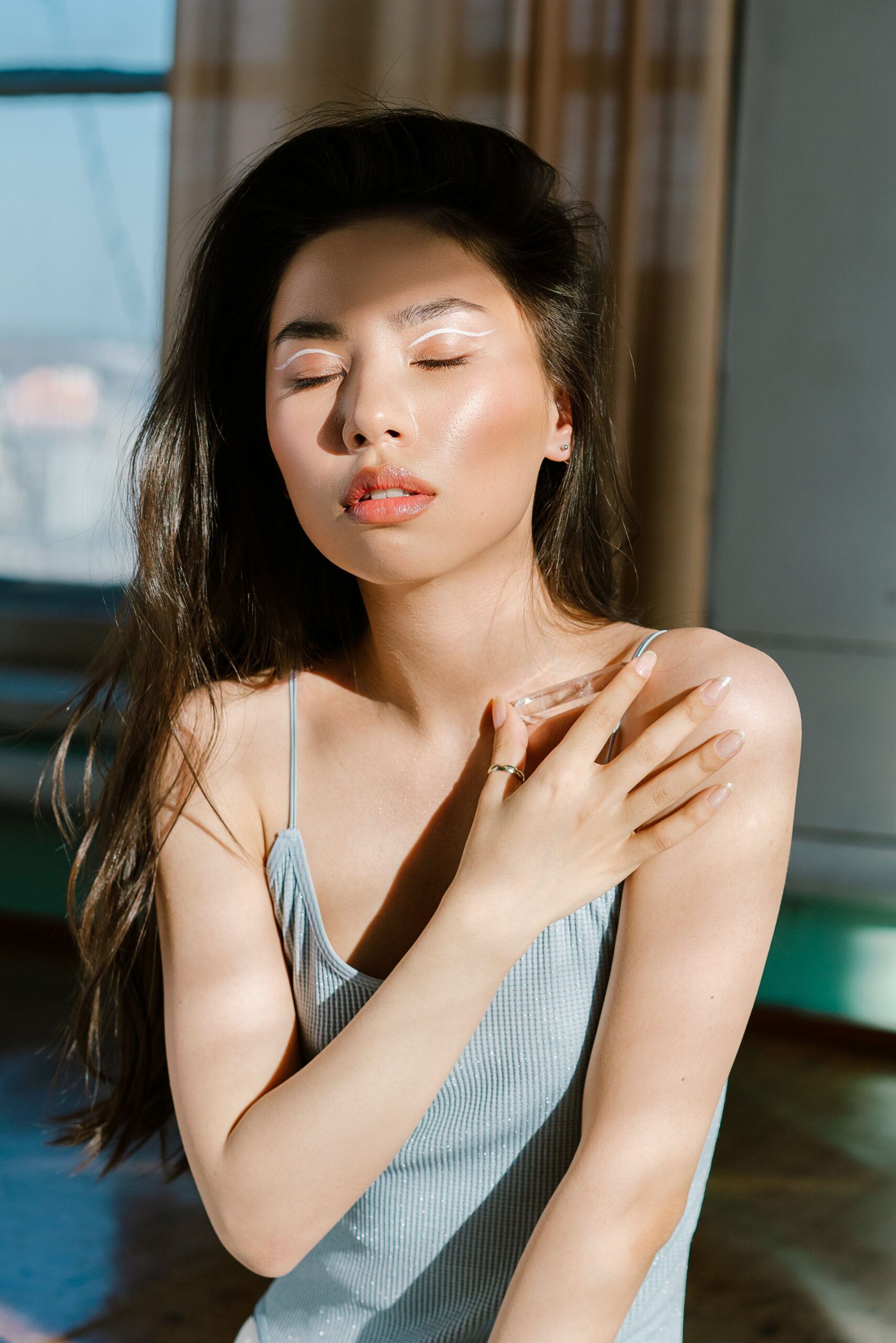
What can we learn from Korean beauty culture? From skincare and nutrition to fitness, discipline and the importance of looking after ourselves, there are some interesting lessons worth taking from South Korea.
Korea has become one of the world’s biggest beauty destinations. From innovative skincare products and advanced aesthetic treatments to the famous glass skin look, the Korean beauty industry is constantly introducing new ideas and setting trends that eventually make their way into the rest of the world.
But there is something else I find interesting about Korean beauty culture, and it has very little to do with skincare products or cosmetic treatments.
It’s the mindset.
There is a strong emphasis on looking after yourself, presenting yourself well and maintaining your appearance. Some of these expectations can be quite extreme, and I certainly don’t agree with every aspect of Korean beauty standards. However, I think there are a few ideas we can take inspiration from and apply to our own lifestyles in a much healthier way.
For me, the biggest takeaway is the importance of self-respect, consistency and making an effort to be the best version of yourself.
So let’s explore what Korean beauty culture gets right, what I think we should be more cautious about, and how we can take inspiration from it without becoming obsessed with our appearance.
AD – Affiliate links
This post contains affiliate links. If you buy a product through one of these links, I receive a commission at no extra cost to you. I only share products that I genuinely find useful or interesting. Thank you for supporting Fit with Alessia! As an Amazon Associate I earn from qualifying purchases.
1. Beauty starts with self-respect
One mindset I find particularly interesting is the idea that what you do to your body reflects how much you respect yourself.
Think about it for a moment.
When choosing what to eat, how you exercise, which skincare products you use or how you spend your free time, are you making choices that genuinely make you feel good?
For example, compare eating a balanced, nourishing meal with regularly relying on highly processed takeaway food. There is nothing wrong with enjoying fried chicken, a burger or your favourite dessert occasionally. I certainly wouldn’t want wellness to mean giving up everything you enjoy.
But if most of your meals leave you feeling sluggish, uncomfortable or lacking energy, perhaps it’s worth reconsidering your everyday habits.
I like approaching healthy choices from a different perspective. Instead of thinking about what you should avoid, ask yourself:
Is this something that is good for me? Am I looking after myself with this choice?
I believe this small mindset shift can make healthy habits much easier to maintain.
Instead of constantly thinking about weight loss, calories or how your body looks, you start thinking about how you feel and what you can do to support yourself.
Self-respect can look like preparing a nourishing breakfast, going for a walk, getting enough sleep, investing in good skincare or making time to exercise.
It is not about being perfect. It’s about treating yourself well consistently.
2. Discipline is built through everyday habits
Another interesting aspect of Korean beauty culture is the connection between appearance and discipline.
There is a perception in some parts of Korean society that maintaining your appearance demonstrates self-discipline, organisation and attention to detail.
While I think judging someone’s personality or reliability based on their weight is unfair, there is an interesting conversation to be had about discipline.
Think about someone who exercises regularly, prepares balanced meals, follows a skincare routine and makes an effort to look after themselves.
These habits require consistency.
And the discipline you develop through everyday activities can influence other areas of your life too.
For example, exercising regularly requires you to show up even on days when you don’t particularly feel like it. Over time, you become more comfortable with routine, commitment and doing something because you know it is beneficial in the long run.
Regular physical activity can also support mental wellbeing and help us manage stress. Research has explored the relationship between exercise and emotional resilience, although it is important not to assume that someone who exercises will automatically handle stress better than someone who doesn’t.
I also find this interesting when looking at wellness practices such as contrast therapy, cold exposure and cryotherapy.
These activities often involve stepping outside your comfort zone. However, they are not shortcuts to discipline or essential requirements for good health.
For me, the real lesson is that discipline is something you build through repetition.
It starts with small things:
- Making your bed in the morning.
- Preparing a healthy meal instead of always choosing convenience.
- Keeping up with your exercise routine.
- Looking after your skin.
- Going to bed at a reasonable time.
- Making an effort with your appearance, even on an ordinary day.
These habits might seem insignificant individually, but together they can influence how you feel and how you approach your day.
3. Consistency over quick fixes

This is probably one of my favourite lessons.
There is a strong emphasis on maintaining beauty and taking care of yourself over time, rather than relying entirely on occasional treatments or short-term transformations.
And I think this is something we can apply to almost every aspect of wellness.
Consider nutrition. Following a restrictive diet for four weeks and then returning to your previous habits is unlikely to give you lasting results.
The same applies to fitness. Exercising intensely for a few weeks before giving up is not as valuable as finding a routine you genuinely enjoy and can maintain.
Skincare is another great example. You don’t need an expensive 10-step routine to look after your skin. A simple routine followed consistently is often a much better starting point.
I think we sometimes underestimate how much progress comes from doing relatively simple things over a long period of time.
Rather than constantly looking for the next trend, treatment or quick fix, focus on building habits that become part of your lifestyle.
You can also read my article on longevity and adapting your wellness routine to your current needs, where I explore why consistency and understanding your individual needs matter more than following every new wellness trend.
4. Looking presentable is a form of self-care
Something I appreciate about Korean beauty culture is the attention given to personal presentation.
Clean, healthy-looking hair, well-maintained skin, neat clothes and a polished appearance are considered important parts of everyday life.
I particularly like the idea of looking put together without necessarily wearing lots of makeup or following every fashion trend.
There is something quite elegant about a simple, clean appearance.
Of course, personal presentation is not a measure of someone’s worth. You don’t need perfect hair, expensive clothes or flawless skin to be confident.
But I do believe that making an effort with your appearance can influence how you feel.
Getting dressed properly, styling your hair or following a skincare routine can be a small way of showing up for yourself.
It can also influence how you present yourself professionally and socially.
The important thing is finding a style that feels authentic to you rather than trying to look like everyone else.
5. Community versus individuality: the downside of Korean beauty standards

One thing that makes Korean beauty culture particularly interesting is the importance placed on social expectations and collective identity.
There is a greater emphasis on fitting into certain social norms, including how people dress, style their hair and present themselves.
In some Korean social settings, commenting on someone’s appearance can also be more direct than what many people are used to in Western cultures.
For example, a friend might openly mention that you look tired, that your skin has changed or that you have gained weight.
This can sometimes be understood as a sign of familiarity or concern rather than necessarily an attempt to offend.
However, it is important not to generalise an entire culture. People in Korea have different attitudes towards appearance, and comments about weight or physical features can be hurtful there too.
I also think there is a downside to placing so much importance on fitting into a particular beauty ideal.
When everyone is encouraged to look a certain way, individuality can become less important.
And this is where I think we need to be careful.
A hairstyle, hair colour or makeup trend might look beautiful on one person but completely different on someone else.
I recently listened to an interview with a Korean dermatologist who made an interesting point: rather than constantly following beauty trends, it is better to understand your own features and work on maintaining them.
I completely agree.
Your face, skin, hair and body are unique. Instead of trying to change your features to match someone else’s, learn what works for you and make the most of what you already have.
Trends come and go. Personal style should be something much more individual.
6. Korean beauty treatments: how advanced is the industry?
One reason South Korea is so well known for beauty is its extensive aesthetic industry.
Treatments such as Botox, dermal fillers, skin boosters, thread lifting, laser treatments and liposuction are widely discussed and available through the country’s large aesthetic market.
Korea has also become a popular destination for medical aesthetics tourism.
While I find the technology behind some of these treatments fascinating, this isn’t the part of Korean beauty culture I particularly want to promote.
I am more interested in the treatments that explore skin quality, body composition and non-invasive body contouring.
One treatment I recently came across is Onda PRO.
What is Onda PRO?
Onda PRO is a non-invasive aesthetic treatment developed by DEKA, an Italian medical technology company.
It uses a technology called Coolwaves®, which delivers microwave energy at 2.45 GHz to targeted areas.
Depending on the handpiece used, the treatment is designed to address different aesthetic concerns:
- Pocket handpiece: Designed for lifting and firming, particularly around areas such as the chin.
- Shallow handpiece: Designed to target the appearance of cellulite, skin laxity and superficial areas of localised fat.
- Deep handpiece: Designed to target deeper localised fat deposits.
The technology works by delivering controlled energy into the targeted tissue while an integrated cooling system helps protect the skin’s surface.
The aim is to remodel selected areas, improve the appearance of cellulite and support skin tightening.
I find these technologies interesting because they show how advanced the aesthetic industry has become.
However, it is important to understand that body-contouring treatments are not weight-loss treatments, and results can vary. The clinical evidence for individual devices is still developing, so it is worth looking at the quality and size of the studies rather than relying entirely on marketing claims.
You can find more technical information about the treatment on the official DEKA Onda PRO website.
Another important distinction: Onda PRO is not a lymphatic drainage treatment. It works through targeted microwave energy, rather than directly stimulating lymphatic circulation.
If you are interested in understanding the lymphatic system and its role in everyday wellbeing, you might enjoy exploring The Wellness Journal at Fit with Alessia for more on detox and recovery trends.
7. The Korean diet: what do Koreans actually eat?

Another area I find interesting is traditional Korean food.
The traditional Korean diet has several characteristics that I think are worth taking inspiration from.
A typical traditional meal often includes:
- Rice as the main carbohydrate source.
- Vegetables served in different ways.
- Fermented foods such as kimchi.
- Soups and broths.
- Tofu, beans and other soy products.
- Fish and seafood.
- Eggs and meat, including chicken and beef.
Meals are traditionally served with several smaller side dishes called banchan, alongside rice and soup.
This creates a variety of flavours and textures without necessarily relying on one large main dish.
For a deeper look at the traditional Korean diet, you can read this scientific review of Korean dietary patterns and food culture.
The importance of fermented foods
One thing that stands out is the regular consumption of fermented foods.
Kimchi is probably the most famous Korean example. It is traditionally made by fermenting vegetables, usually cabbage or radish, with ingredients such as chilli, garlic, ginger and salt.
Other fermented foods include:
- Doenjang (fermented soybean paste).
- Gochujang (fermented chilli paste).
- Ganjang (Korean soy sauce).
Fermented foods can contribute to dietary variety and introduce beneficial microorganisms, although not every fermented food contains live cultures after processing or cooking.
I particularly like the idea of incorporating more fermented foods into everyday meals rather than treating them as occasional health products.
You can also explore this research on traditional Korean fermented foods if you are interested in learning more.
Small portions and balanced meals
Traditional Korean meals often feature several smaller dishes, allowing people to enjoy different foods together.
Rice provides carbohydrates, vegetables contribute fibre and micronutrients, and protein can come from tofu, fish, eggs, meat or legumes.
This is a great example of a balanced meal.
However, I wouldn’t assume that all Korean meals are small or that everyone eats the same way. Modern Korean eating habits are varied, and restaurant portions, convenience foods and snacking are part of everyday life too.
What about zero-calorie products?
South Korea also has a large market for low-calorie and zero-sugar products.
You will find sugar-free drinks, sweeteners, low-calorie snacks and alternative versions of popular foods.
I think these can be useful options if you enjoy sweet flavours but want to reduce your added sugar intake.
However, zero calories doesn’t automatically mean a product is nutritious.
I would still prioritise whole foods and a balanced diet rather than relying on highly processed diet products.
What can we learn from the Korean diet?
For me, the most useful lessons are:
- Eat a variety of vegetables.
- Include a source of protein with your meals.
- Don’t be afraid of carbohydrates such as rice.
- Experiment with fermented foods.
- Include soups and broths in your meal rotation.
- Reduce your reliance on highly processed foods and added sugar.
- Pay attention to portions without unnecessarily restricting yourself.
If you want more inspiration for balanced meals, take a look at my article on blood sugar regulation and how to build balanced meals.
You might also enjoy my article on The Perfect Breakfast: What Should You Actually Eat in the Morning?.
And remember the mindset we discussed earlier.
What you eat is an opportunity to nourish your body. You don’t need to eat perfectly, but consistently choosing balanced meals can make a difference to how you feel.
8. Korean body standards: skinny, lean and toned
One of the more controversial aspects of Korean beauty culture is the ideal female body shape.
Historically, mainstream Korean beauty ideals have often favoured a petite, slim silhouette, with a relatively narrow waist, slender legs and arms and a delicate overall appearance.
There is also considerable pressure around facial proportions, skin appearance and looking youthful.
For men, the ideal has evolved too. A tall, lean and well-groomed appearance is popular, with some emphasis on having a fit and defined physique without necessarily looking excessively muscular.
However, there is no single Korean body ideal, and beauty standards vary across generations, social groups and individuals.
Is being very skinny healthy?
This is where I think it is important to separate appearance from health.
Being slim does not automatically mean being healthy, just as being muscular or carrying more body fat does not automatically mean someone is unhealthy.
A person can have a relatively low body weight but still have poor nutritional habits, low muscle mass or insufficient bone density.
The term skinny fat is often used informally to describe someone with a relatively low body weight but a higher proportion of body fat compared with muscle.
However, it isn’t a medical diagnosis, and body weight alone cannot tell us someone’s metabolic health.
For women in particular, maintaining adequate nutrition, muscle mass and bone health is important throughout life.
A healthy approach should focus on strength, fitness, energy, recovery and overall wellbeing rather than trying to reach the smallest possible number on the scales.
Is there an ideal Korean weight?
You might come across a formula sometimes associated with Korean beauty standards:
Height in centimetres minus 110 = ideal weight in kilograms.
For example:
160 cm – 110 = 50 kg.
This is sometimes presented online as the ideal weight for a woman who is 160 cm tall.
But it is important to understand that this is a beauty-related rule of thumb, not a medically recognised healthy-weight formula.
It doesn’t consider muscle mass, bone structure, age, genetics or individual health.
For context, South Korean national anthropometric data published for 2023 reported average adult female height of approximately 158.3 cm and average weight of 58.7 kg. These are population averages, not beauty targets.
I think this is an important distinction: there is a big difference between what society considers attractive and what is actually healthy for an individual.
9. What type of exercise do Korean women do?

Korean fitness culture is quite interesting because it combines traditional exercise approaches with modern boutique fitness trends.
Some popular activities include:
Pilates
Pilates is particularly popular among women in Korea. It focuses on core strength, posture, flexibility, mobility and controlled movement.
Dance and aerobic exercise
K-pop culture has a huge influence on fitness. Dance training is an important part of idol preparation, involving hours of choreography practice, coordination and cardiovascular activity.
Walking
Walking is a very accessible form of everyday exercise, and urban lifestyles often involve a considerable amount of walking.
Gym and strength training
Strength training is also becoming increasingly popular, including among women who want to improve their fitness, posture and muscle definition.
The K-pop influence
K-pop idols have undoubtedly influenced beauty and body standards internationally.
Their training often includes intensive dance rehearsals, strength and conditioning, Pilates and other forms of exercise.
However, it is important to remember that professional performers have very different schedules and demands from the average person.
Some entertainment-industry diets and weight-management practices have also been criticised for being excessively restrictive.
I wouldn’t recommend using an idol’s body or training schedule as a personal fitness target.
Instead, take inspiration from the movement itself.
Dance, Pilates, walking and strength training can all be enjoyable ways to stay active.
My favourite approach is combining different forms of movement rather than relying on one type of exercise.
You can read more about this in my article on combining Pilates and strength training for a balanced fitness routine.
10. Korean skincare: the secret behind glass skin
Now, let’s talk about the part of Korean beauty culture that I think has had the biggest influence internationally: skincare.
Korean skincare has become famous for its focus on hydration, skin texture and maintaining a healthy-looking complexion.
One of the most recognisable trends is glass skin.
What is glass skin?
Glass skin describes a complexion that looks exceptionally smooth, hydrated, radiant and almost translucent.
The aim is not necessarily to cover imperfections with makeup but to create a naturally fresh-looking complexion.
I particularly like this approach because it places the emphasis on skincare rather than simply using more makeup.
Of course, real skin has pores, texture, fine lines and occasional blemishes. You don’t need flawless skin to have healthy skin.
Ingredients worth knowing
Some ingredients commonly found in Korean skincare products are also supported by dermatological research.
Here are a few worth looking out for:
Niacinamide
A form of vitamin B3 that can support the skin barrier and help improve the appearance of uneven skin tone.
Vitamin C
An antioxidant commonly used to brighten the appearance of skin and support protection against environmental oxidative stress.
Hyaluronic acid
Helps attract and retain moisture, making it a popular ingredient in hydrating products.
Centella asiatica
A botanical ingredient frequently used in Korean skincare, particularly in products designed for sensitive or easily irritated skin.
Ceramides
Lipids that help support the skin barrier and reduce moisture loss.
Retinoids
Ingredients derived from vitamin A that are commonly used in skincare routines targeting fine lines, acne and uneven skin texture. They should be introduced carefully, as they can cause irritation.
The importance of sunscreen
Something I think we can all learn from Korean skincare culture is the importance of daily sun protection.
A simple skincare routine doesn’t need to involve ten different products.
You can start with:
Morning:
- Gentle cleanser.
- Hydrating serum or moisturiser.
- SPF 30–50 sunscreen.
Evening:
- Cleanser.
- Treatment serum if appropriate for your skin.
- Moisturiser.
Consistency matters much more than having an overflowing bathroom cabinet.
Korean skincare brands I have tried and love
One brand I particularly enjoy is Arencia.
I like exploring Korean skincare because there is so much innovation in textures, formulations and ingredients.
From hydrating cleansers to gentle exfoliating products, there are plenty of interesting products to discover.
My advice is to find products that work for your skin rather than buying something simply because it is trending on social media.
Your skin is individual, and a routine should reflect that.
Other k- beauty brands I am currently trying are Beauty of Joseon and Medicube.
My current favourite K- Beauty products:


11. Beauty is also about maintaining what you have
There is one final idea from Korean beauty culture that I really like.
The concept of maintaining yourself rather than constantly changing yourself.
Instead of following every new trend, I think there is value in understanding your own features and learning how to make the most of them.
For example, a particular haircut might look beautiful on one person but completely change the proportions of another person’s face.
The same applies to makeup colours, clothing styles and skincare.
You don’t need to look like someone else to look your best.
I think this is where beauty and self-care should meet: learning what works for you, maintaining it and feeling comfortable in your own appearance.
12. Becoming the best version of yourself, every day
If there is one idea I would take away from Korean beauty culture, it is the importance of showing up for yourself.
I love the idea of approaching each day with the intention of being the best version of yourself.
Not the most beautiful, the thinnest or the most successful person in the room.
Simply the best version of yourself.
This might mean getting up and making your bed, preparing a nourishing breakfast, exercising, taking care of your skin, putting on an outfit you feel good in or approaching your work with enthusiasm.
Small achievements can also create a sense of progress and satisfaction.
There is an interesting connection here with dopamine, the neurotransmitter involved in motivation, learning and reward. Working towards meaningful goals and experiencing progress can help reinforce behaviours over time.
I recently came across the book The Dose Effect, which explores the relationship between lifestyle habits and wellbeing. I recommend exploring it if you are interested in this topic.
For me, the bigger message is that how we approach our everyday lives influences how we feel.
When you consistently invest time in yourself, you are more likely to feel organised, confident and capable of taking on other challenges.
And that can have a positive impact on your professional life, relationships and overall wellbeing.
My final thoughts: what can we learn from Korean beauty culture?
I think there is a lot we can learn from Korea when it comes to beauty, skincare, food and self-care.
I particularly appreciate the emphasis on consistency, personal presentation and making an effort to look after yourself.
However, I wouldn’t want to adopt the more extreme side of Korean beauty standards, where physical appearance can become so important that it affects self-esteem, relationships and even career opportunities.
There is no reason why discipline should mean being obsessed with your weight, changing your facial features or constantly trying to achieve someone else’s idea of beauty.
Instead, I would take inspiration from the healthier aspects:
- Treat your body with respect.
- Eat nourishing, balanced meals.
- Find exercise you enjoy and stay consistent.
- Invest in your skincare routine.
- Take pride in your personal presentation.
- Build habits that support your wellbeing.
- Focus on maintaining your own features rather than following every trend.
- Aim to become a better version of yourself, not a copy of someone else.
Ultimately, I believe beauty should be an extension of wellbeing, not something that takes over your life.
Self-care is not about changing everything you see in the mirror. It is about making everyday choices that help you feel good, look after yourself and enjoy the person you are becoming.
And perhaps that is the most valuable lesson we can take from Korean beauty culture.
This article is for general wellness and lifestyle information only. It is not medical or nutritional advice. Aesthetic treatments should always be discussed with a suitably qualified healthcare professional.
Leave a Reply