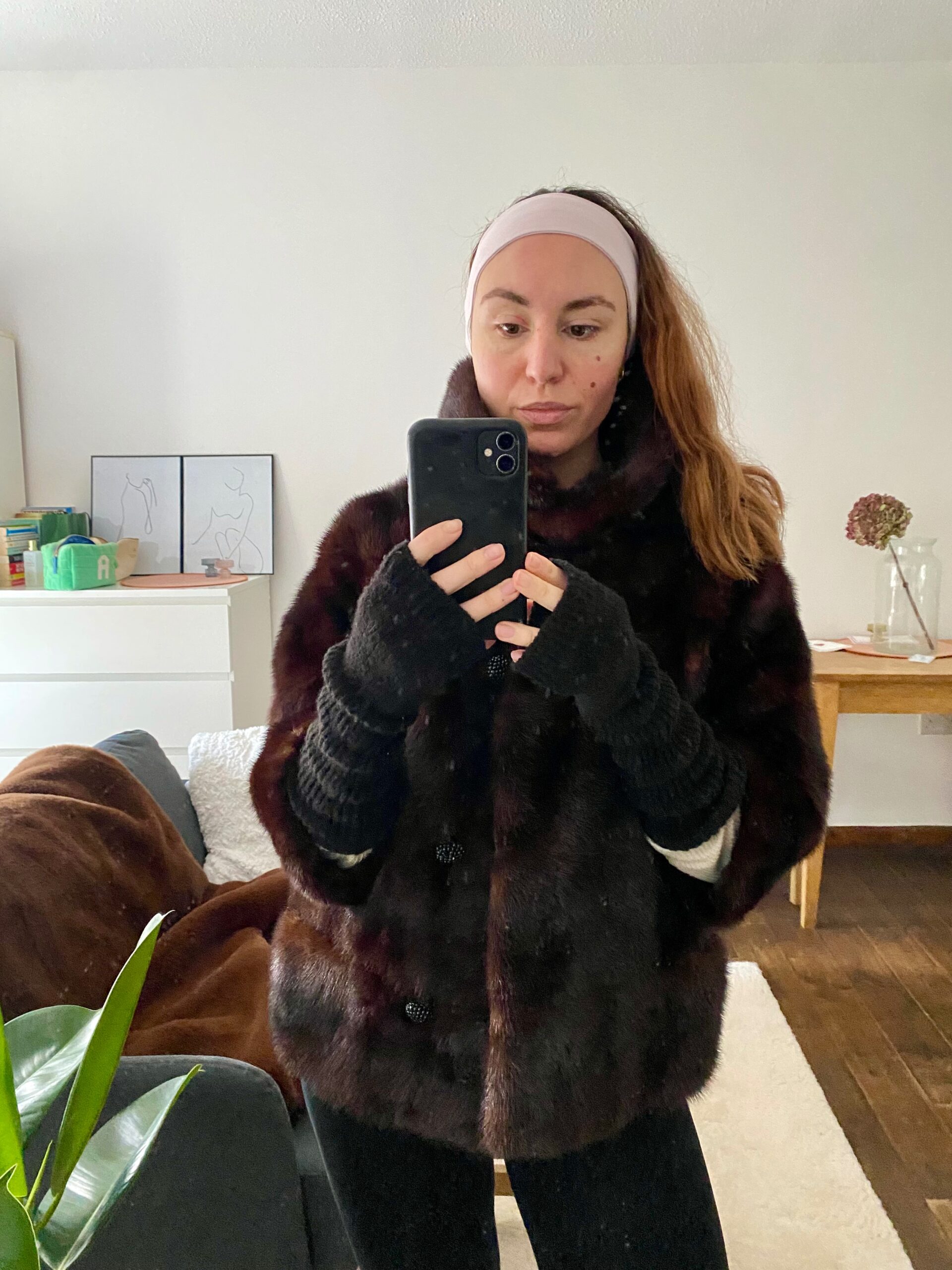
There is something about winter that makes me want to slow down, get cosy and spend a little more time looking after myself.
As the days get shorter and the temperature drops, my routine naturally changes. In summer, I am more likely to spend time outdoors, go for a run, meet friends after work or enjoy a long evening outside. In winter, I find myself craving warming meals, slower mornings, longer gym sessions and a little more time to relax.
I don’t think we need to completely change our lifestyles every time the seasons change, but I do like adapting my habits to suit how I feel.
For me, winter self-care isn’t about buying lots of new products or following a complicated wellness routine. It is about the simple things that make everyday life feel a little better.
From warming soups and spiced teas to cold walks, sauna sessions and cosy evenings at home, here are seven winter self-care habits I love to make more time for.
1. I Swap Salads for Warming Soups
One of the first things I change when the weather gets colder is what I eat.
While I love a fresh salad in summer, winter makes me crave something warm, filling and comforting. I find myself reaching for homemade soups, roasted vegetables and nourishing one-pot meals much more often.
Some of my favourite winter soup combinations are:
- Pumpkin soup: creamy, comforting and delicious.
- Carrot and ginger soup: naturally sweet with a lovely warming kick.
- Potato and cauliflower soup: a comforting classic that is easy to make creamy without needing lots of cream.
- Pea soup: fresh, simple and full of colour.
- Minestrone: packed with vegetables, beans and pasta for a more substantial meal.
The best thing about soup is how easy it is to experiment. You can use whatever vegetables you have in the fridge, add beans or lentils for extra fibre and protein, and season everything with your favourite herbs and spices.
I also love making a big batch at the beginning of the week. It means I have something delicious ready when I get home tired or simply don’t feel like cooking.
My winter tip: Don’t think of soup as just a starter. Add beans, lentils, tofu or another protein source, alongside grains or wholegrain bread, to make it a satisfying meal.
If you enjoy experimenting with food as much as I do, you might also like my article on blood sugar regulation and simple everyday eating habits.
2. I Add More Spices to My Food and Drinks

Winter is the perfect excuse to get creative with spices.
I love adding ginger, cinnamon and gingerbread spice to my food and drinks. They instantly make everything feel a little more seasonal, whether I am making porridge in the morning, preparing a soup for lunch or enjoying a warm drink in the afternoon.
Spices are also a lovely way to add flavour without relying on lots of extra sugar or salt. Many contain naturally occurring plant compounds, although their effects depend on the spice, the amount used and the overall diet.
Here are a few of my winter favourites.
Ginger
Fresh ginger adds a warming, slightly peppery flavour to soups, stir-fries and hot drinks. I particularly love it with lemon in a simple homemade infusion.
Cinnamon
Cinnamon is one of my favourite additions to oatmeal, baked apples and warm plant-based milk. It has a naturally sweet flavour, making it a great choice when I want something comforting without adding much extra sweetness.
Turmeric
With its earthy flavour and beautiful golden colour, turmeric works particularly well in curries, lentil dishes and golden milk. It contains curcumin, a plant compound that has been studied for its biological effects, although adding turmeric to your food should not be seen as a treatment for inflammation or other health conditions.
Chilli and cayenne pepper
If you enjoy a little heat, chilli is a great addition to soups, stews and curries. It contains capsaicin, which creates that familiar warming sensation.
Garlic
Technically a vegetable rather than a spice, garlic is one of my favourite ingredients for adding flavour to almost any savoury meal.
Nutmeg and gingerbread spice
These are perfect for the cosy side of winter. Add a pinch to porridge, baked fruit, homemade desserts or warm milk for a seasonal flavour.
You don’t need to buy a cupboard full of wellness powders or supplements to make your meals more interesting. Sometimes, a few ingredients you already have at home are more than enough.
3. I Stay Hydrated with Warm Drinks

I find it much easier to remember to drink water in summer. When the weather is hot, a cold glass of water feels refreshing, whereas in winter I often forget about it altogether.
My solution is simple: I make warm drinks part of my daily routine.
A cup of tea in the morning, a ginger infusion after lunch or a caffeine-free herbal tea in the evening makes staying hydrated feel much more enjoyable.
Water is still important in winter, even when you don’t feel as thirsty. The NHS recommends around six to eight cups or glasses of fluid a day as a general guide, although individual needs vary. Tea and other suitable drinks count towards your fluid intake too.
Here are some of the drinks I love during the colder months.
- Lemon and ginger infusion: fresh, zingy and comforting. This is one of my favourites when I want something warm without caffeine.
- Peppermint tea: refreshing after a meal, with a cooling mint flavour.
- Chamomile tea: a naturally caffeine-free option for a relaxing evening ritual.
- Rooibos tea: a naturally caffeine-free tea with a mild, slightly sweet flavour.
- Green tea: a good option earlier in the day if you enjoy a drink containing caffeine and antioxidants.
- Cinnamon and apple infusion: a lovely seasonal combination, especially when you want something that feels a little like dessert.
My winter tip: Keep a favourite mug and a selection of teas somewhere visible. Making the habit easy is often the best way to stick with it.
4. I Go for Long Walks in the Cold

A cold winter walk might not sound particularly appealing when you are looking at the weather from the comfort of your sofa. But once I am outside, it is often one of the best parts of my day.
I love walking through a park when the air is crisp, the trees have lost their leaves and everything feels a little quieter. There is something refreshing about being outdoors when it is cold, especially when I have spent most of the day inside.
Walking is also one of the easiest ways to incorporate movement into your routine without making exercise feel like another task on your to-do list.
A walk outdoors can offer several everyday wellbeing benefits:
- A mental reset: Getting away from your desk and daily responsibilities gives you a chance to switch off for a while.
- Gentle movement: Walking gets your body moving without requiring a gym membership or a structured workout.
- Time in nature: Green spaces can provide a welcome break from busy urban environments.
- A change of scenery: Even a familiar park can feel different in winter, giving you a reason to slow down and pay attention to your surroundings.
- A little daylight: Getting outside during daylight hours can be a useful way to build more outdoor time into your winter routine.
Research on spending time in nature suggests potential benefits for mental wellbeing, although the experience will naturally vary from person to person.
And my favourite part? Coming home afterwards.
There is something particularly satisfying about returning from a chilly walk, taking off your coat, putting on comfortable clothes and making a hot drink. Suddenly, your home feels even cosier than it did before you left.
You don’t need to walk for hours to enjoy the experience, either. Even a short lunchtime walk can be a lovely break from the day.
My winter tip: Wrap up in layers, wear comfortable shoes and choose a route that feels safe. If the weather is icy, extremely cold or unpleasant, a shorter walk is perfectly fine.
5. I Make More Time for the Gym, Yoga and Spa

Summer tends to be full of outdoor activities, social plans and evenings that seem to last forever. Winter, on the other hand, can be a lovely opportunity to spend more time on the movement and recovery practices that make me feel good.
I enjoy using this time of year to be a little more intentional with my workouts. That might mean a longer gym session, a Pilates class, some mobility work or a relaxing yoga session afterwards.
I don’t believe every workout needs to be intense, and I certainly don’t think you need to exercise for longer simply because it is winter. I just enjoy having more opportunities to focus on myself when I feel like being indoors.
A winter routine might look like this:
- A gym session followed by a few minutes of stretching.
- A Reformer Pilates class to work on strength, control and mobility.
- A gentle Yin Yoga session on an evening when I want to slow down.
- A spa visit with time to relax in the sauna or enjoy another treatment.
- A quiet evening at home when my body needs rest rather than more exercise.
Why I love a sauna in winter
Few things feel as inviting on a cold day as spending some time in a warm sauna.
For me, the appeal is partly the experience itself: the warmth, the quiet and the chance to put my phone away and do absolutely nothing for a little while.
Sauna bathing has also been studied for its potential relationship with cardiovascular health and circulation. Some observational research has found associations between regular sauna use and better cardiovascular outcomes, but this does not prove that sauna sessions directly prevent disease.
The more immediate reasons I enjoy a sauna are that it feels relaxing and gives me a dedicated moment to slow down after a busy day.
If you decide to use one, start with a short session, drink enough fluids and leave if you feel dizzy or unwell. Sauna use is not suitable for everyone, so seek professional advice if you have a health condition that could make heat exposure unsafe.
For a balanced overview, read Harvard Health’s guide to sauna use and health.
Ultimately, I like thinking about movement and recovery as two parts of the same routine. Exercise can be energising, but making time to relax afterwards is just as important to how I want my lifestyle to feel.
6. I Give Myself Permission to Rest More

Winter has a different rhythm.
The days feel shorter, it gets dark earlier and getting out of bed on a cold morning can suddenly seem much harder than it did a few months ago.
Rather than fighting that feeling every day, I try to make a little more room for rest.
Sometimes that means going to bed earlier. Other times, it means having a quiet afternoon indoors, reading a book, watching a film or simply enjoying a slower evening without feeling guilty about not doing anything particularly exciting.
I still enjoy staying active and having a routine, but I don’t think every free moment needs to be filled with errands or productivity.
Rest can also mean making your evenings feel less rushed. I like keeping things simple: a warm shower, comfortable clothes, a nourishing dinner and a relaxing drink before bed.
A few small habits that can make winter evenings feel more restful include:
- Keeping a reasonably consistent bedtime.
- Dimming the lights and reducing screen time before bed.
- Creating a calming evening routine.
- Avoiding late workouts when they leave you feeling too energised to unwind.
- Leaving some free time in your calendar rather than planning every hour.
Sleep and recovery are important throughout the year, not just in winter. If you want to make your evenings feel more relaxing, have a look at my article on five simple ways to feel more rested and energised.
The biggest reminder is that rest is part of a balanced lifestyle, not something you have to earn.
7. I Still Make Social Plans
This might sound like the opposite of everything above, but I think it is one of the most important winter self-care habits.
When it is cold, dark and raining, staying at home can suddenly seem like the most attractive option. And while I love a cosy evening indoors, I also know how easy it is to go through the week without seeing friends or doing anything outside the usual routine.
That is why I try to make plans that give me something to look forward to.
It doesn’t have to be a big night out or an expensive activity. Sometimes, the simplest plans are the best.
Here are a few winter ideas:
- Meet a friend for coffee and a long walk.
- Book a Pilates class together.
- Try a new restaurant or cosy café.
- Organise a dinner at home.
- Visit a Christmas market or winter exhibition.
- Plan a spa afternoon or a weekend getaway.
- Arrange a Sunday brunch instead of spending the entire weekend indoors.
I also find it easier to follow through when something is already in the calendar. If I leave plans until the last minute, the cold weather can become a very convincing reason to cancel.
Socialising doesn’t always have to mean going out, either. Inviting friends over for homemade soup, a film or a relaxed dinner can be just as enjoyable.
For me, winter wellbeing is about finding the balance between enjoying quiet time alone and staying connected to the people and experiences that make life feel good.
My Winter Self-Care Routine: Keep It Simple
You don’t need to do all seven things every day. The idea is to find a few habits that suit your lifestyle and make the colder months feel more enjoyable.
My winter essentials are simple:
- Eat more warming, nourishing meals.
- Add flavour to food and drinks with seasonal spices.
- Keep drinking enough throughout the day.
- Get outside for a walk when the weather allows.
- Make time for movement that I genuinely enjoy.
- Protect my sleep and allow myself to rest.
- Keep social plans in the diary.
Some days, my version of self-care might be a gym session followed by a sauna. On other days, it might be a bowl of soup, a hot drink and an early night.
Both count.
I don’t think wellbeing needs to be complicated, expensive or perfectly organised. Often, it is the small habits we repeat that make the biggest difference to how we experience everyday life.
So, as winter approaches, instead of feeling that you need to do more, perhaps think about what you could do differently to make this season feel a little better.
And if you have your own favourite winter ritual, I’d love to know what it is.
What is one thing you always do to look after yourself during the colder months?
Leave a Reply